
 By
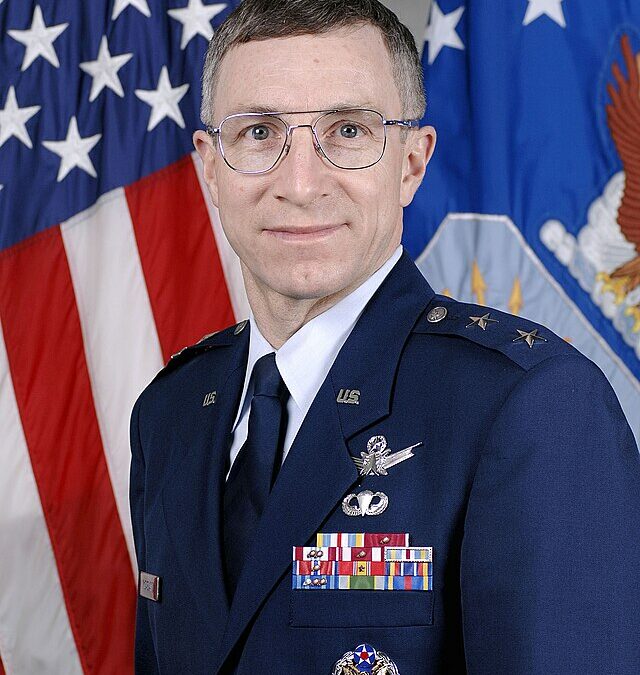
By Governor-elect Abigail Spanberger’s choice to lead Virginia’s public-safety apparatus is already facing a wall of criticism from conservative and Catholic leaders, reopening a controversy that the FBI itself tried to bury nearly two years ago. Her nominee, former FBI special agent Stanley M. Meador, enters the transition not as a consensus figure but as a litmus test for how the incoming administration will navigate issues of security, civil liberties, and faith, according to a new report.
Spanberger unveiled the appointment on December 4, framing Meador’s long FBI career as an asset for a state grappling with crime, cyber threats, and political polarization. “Keeping all Virginians safe and secure is critical to the Commonwealth’s success,” she said. “Today, I am proud to announce the appointment of Stanley M. Meador to serve as our next Secretary of Public Safety and Homeland Security. Mr. Meador’s decades of service to our country and our Commonwealth will bring the expertise necessary to protect our citizens, support the brave men and women of law enforcement, and make sure Virginia is a place where every Virginian can safely thrive — no matter their zip code.”
Meador, for his part, responded with the practiced humility of a career official aware that the scrutiny had already begun. He said he was “deeply honored and humbled” by the nomination and pledged to advance Spanberger’s agenda with “dedication, integrity, and commitment.”
But the political terrain shifted almost immediately back to 2023, when Meador—then leading the FBI’s Richmond field office—oversaw the creation of an internal memo tying “radical-traditionalist Catholics” to racially or ethnically motivated violent extremism. The document leaned heavily on the Southern Poverty Law Center’s classifications, even as the SPLC’s critics accused it of blurring distinctions between genuine threats and religious or conservative organizations.
The memo’s release, leak, and eventual withdrawal became a flashpoint for a broader debate about federal overreach. Its suggestion that traditional liturgical practice could serve as an intelligence indicator struck many Catholics as an unmistakable form of profiling. One case cited by critics involved the SPLC pointing to a direct quotation from the Catechism of the Catholic Church on same sex marriage as evidence of animus—an illustration, they argue, of how the organization’s “hate group” label has drifted far beyond its original mission to track violent extremists.
The backlash forced internal reviews, congressional oversight, and public apologies. Under the Trump administration’s newly installed FBI Director, Kash Patel, the bureau formally severed ties with the SPLC last October, with Patel blasting the group as a “partisan smear machine.” Meador, before retiring from the FBI, also met privately with Catholic leaders—including Richmond Bishop Barry Knestout—to calm fears that the memo represented an institutional stance toward the Church.
Spanberger’s elevation of Meador has reopened those worries about how Democrats treat religious people, especially Catholics. Republican lawmakers swiftly labeled the choice “concerning,” arguing that anyone connected to the memo’s genesis should not be entrusted with statewide authority over policing and homeland security. Conservative Catholic groups, already skeptical of federal intelligence practices, have seized on the appointment as proof that the incoming administration is insufficiently attentive to religious-liberty concerns.
The governor-elect’s transition team has not responded to new requests for comment. Yet the political stakes are clear: Spanberger is attempting to build a security-focused Cabinet while reassuring constituencies that believe they were targeted, however clumsily, by federal investigators. Meador brings with him a record that includes commendations for his response to the 9/11 Pentagon attack and long-running efforts against gang networks—a résumé that would ordinarily smooth confirmation. Instead, it is the memo that has become the immovable object in Virginia’s latest political collision.
When the General Assembly convenes early next year, Meador’s confirmation hearing is expected to be among the most closely watched of Spanberger’s term-opening choices. For many faith leaders, the question is not simply who will oversee public safety, but whether the new administration will treat religious freedom as a companion to security—or as an afterthought.
[Read More: America Hit With Eco-Terrorism?]