 By
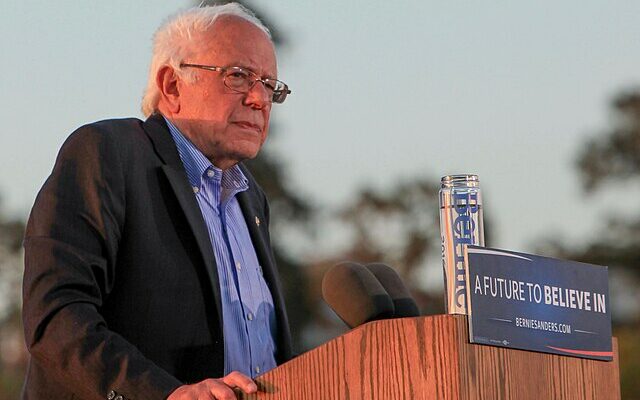
By A bipartisan pediatric cancer bill named for a teenage advocate who died just weeks ago collapsed in the Senate last week after a single objection from Sen. Bernie Sanders, a liberal senator from Vermont, halting legislation that had passed the House unanimously and drawn rare cross-party support.
The Mikaela Naylon Give Kids a Chance Act failed on the Senate floor Dec. 17, stunning families, cancer survivors, and advocates watching from the gallery. The measure would have expanded the Food and Drug Administration’s authority to require pediatric studies of cancer drugs and reauthorized programs supporting rare-disease research.
The bill was named for Mikaela Naylon, a 16-year-old who died of osteosarcoma on Oct. 29 after lobbying lawmakers to close gaps in pediatric oncology research. Supporters had hoped Congress would secure final passage before the end of the year, The New York Post noted.
Instead, Sanders placed a procedural hold, blocking unanimous consent and effectively killing the bill for the current session.
According to MSNBC journalist Sam Stein, Sanders said he supported the bill’s goals but used the moment to press for revival of a broader bipartisan health package that collapsed in December 2024. That earlier deal included funding for community health centers, Medicare extenders, and additional health priorities, but fell apart during end-of-year negotiations that were partly derailed by outside opposition, including from Elon Musk.
Many, however, remembered what Bernie’s one-time rival, Hillary Clinton, said about his work in the Senate:
Hillary Clinton dragging Bernie Sanders. pic.twitter.com/nhDWjR36Wv https://t.co/OAavRHusRb
— greg (@mistergeezy) May 27, 2024
Sanders’ office has said the pediatric cancer measure could be revisited in 2026, though advocates warn its prospects may dim under the incoming Trump administration and shifting legislative priorities.
The move drew swift backlash from both parties. Sen. Markwayne Mullin, a Republican from Oklahoma, publicly dubbed Sanders “The Grinch” for blocking the bill, while rare-disease advocates expressed shock and frustration. One mother of a child with a rare condition called the outcome a “disappointing misstep.”
Thank you, @ScottJenningsKY. 👇
Bernie has been in Congress since I was 13 years old. He knows how this works.
When I called him The Grinch for blocking our Give Kids a Chance Act to help kids battling cancer— I meant it. https://t.co/OArrAHUeoj
— Markwayne Mullin (@SenMullin) December 19, 2025
Online reaction was harsher. Critics accused Sanders of holding “dying kids hostage” to advance a broader political strategy, with posts on Twitter condemning his refusal to allow a clean vote. “This is why I can’t stand Bernie or his cult,” one user wrote. Others contrasted Sanders’ legislative record—three enacted bills out of more than 400 proposals, two renaming Vermont post offices—with that of former Sen. Joe Biden, who authored 42 laws during his Senate career.
The setback echoes last year’s collapse of the broader bipartisan health deal, which also included pediatric drug study provisions and sickle-cell research. With Congress facing a Dec. 30 funding deadline, advocates say the failure highlights how easily narrow procedural tactics can derail widely supported legislation.
For now, the bill’s supporters are regrouping. The rare-disease community—roughly 30 million Americans—says it will push for renewed action next year. But for families who watched the vote unravel from the Senate gallery, the moment was already decisive.
[Read More: Biden White House Wanted To Target Dem Senator]