 By
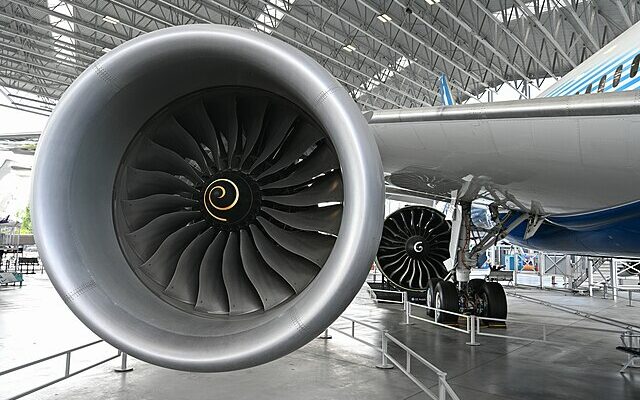
By It’s another huge win for President Trump. British engineering giant Rolls‑Royce is weighing whether to shift production of its flagship UltraFan next-generation jet engine program out of the United Kingdom, a move that would mark a major blow to the country’s aerospace industry and the Labour government’s industrial ambitions.
The UltraFan program—touted by the company as a step-change in civil aviation with fuel-efficiency gains of up to 25 percent over current engines—carries an estimated lifetime value of £1.6 trillion, based on projected sales exceeding 100,000 units, according to reports. Company sources say senior executives have grown increasingly frustrated with the UK’s regulatory environment, citing net-zero compliance mandates, prolonged planning approvals, and what they view as insufficient government incentives.
In mid-December 2025, Rolls-Royce privately warned that without substantial public backing, the UltraFan program—expected to sustain as many as 40,000 high-skilled jobs over its lifespan—could be relocated abroad. Germany and the United States have both emerged as leading alternatives. The U.S., in particular, has sought to capitalize on post-election economic policies under Donald Trump, including tax and manufacturing incentives aimed at attracting foreign industrial investment.
The deliberations highlight the intensifying competition among advanced economies to host high-value manufacturing, where regulatory certainty and fiscal policy increasingly shape corporate decisions. Aerospace remains a cornerstone of the British economy, contributing roughly £26 billion annually, according to official statistics—making any loss of flagship programs a matter of national concern.
For now, Rolls-Royce continues to advance UltraFan development in the UK. The company announced late last year that additional ground testing of the demonstrator engine is scheduled for early 2026. No formal decision on relocation has been confirmed, with executives stressing that global options remain under review.
Industry analysts note that while the so-called “Trump effect” has featured prominently in recent discussions, earlier internal debates also focused on reducing exposure to potential trade barriers and tariffs. Rolls-Royce, best known in civil aviation for its Trent engine family, already operates extensive manufacturing and engineering facilities in both Germany and the United States.
The prospect of a move has reignited debate in Britain over whether aggressive environmental regulation is undermining economic competitiveness. Critics argue that policy rigidity risks exporting innovation along with jobs. A company spokesperson declined to comment on speculative reports but reiterated Rolls-Royce’s commitment to advancing sustainable aviation technologies.
Kier Starmer’s Labour government has promised a pro-growth, pro-business reset, but the UltraFan debate suggests a widening gap between rhetoric and reality. For manufacturers operating at global scale, regulatory certainty matters more than slogans, and the risk for Labour is that uncertainty sends investment elsewhere, and that place appears to be Trump’s America.
[Read More: New York City May Get A Lot Smaller]