


News

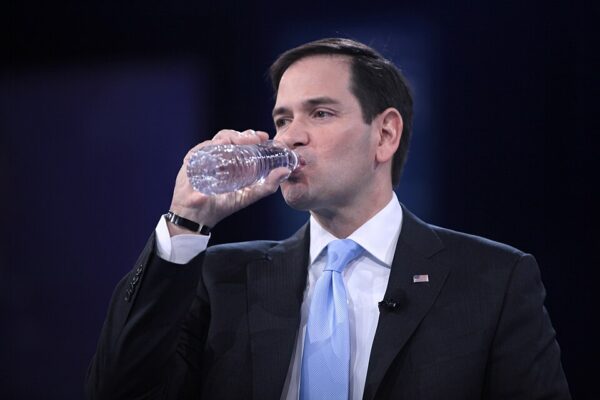
Rubio Says War Will Last Four To Six Weeks

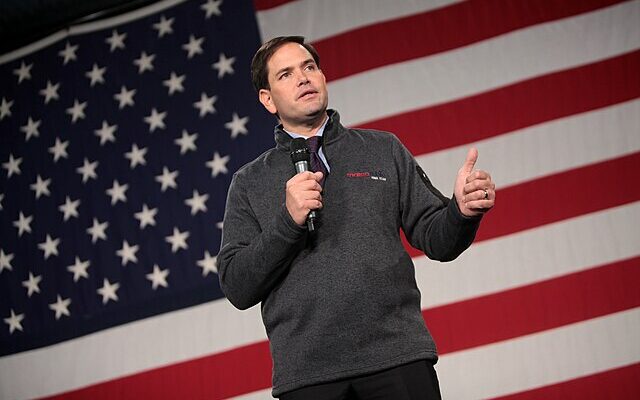
[Gage Skidmore, CC BY-SA 3.0 , via Wikimedia Commons]

Secretary of State Marco Rubio said Friday that the U.S. military campaign against Iran is proceeding on or ahead of schedule and is expected to conclude within weeks, not months, as officials maintain that core objectives can be achieved without deploying ground forces.

Speaking after meetings with G7 counterparts in France, Rubio said the United States is “on or ahead of schedule in that operation, and expect to conclude it at the appropriate time here — a matter of weeks, not months.” He added that once the operation ends “in the next couple weeks, they will be weaker than they’ve been in recent history.”

According to officials familiar with the discussions, Rubio told allied counterparts the conflict, which began February 28, could continue for another two to four weeks—slightly longer than an earlier White House estimate of four to six weeks, noted The Times of Israel.

Rubio identified post-conflict security in the Strait of Hormuz as a central concern, particularly the risk that Iran could disrupt maritime traffic through the waterway, which carries roughly one-fifth of global oil supply. He emphasized the need for coordinated international action to preserve freedom of navigation.

He also disclosed that Iran has sent “messages” indicating limited openness to talks, though it has not formally responded to a U.S. peace framework. “We’ve had an exchange of messages and indications from the Iranian system — whatever’s left of it — about a willingness to talk about certain things,” Rubio said.

A senior Iranian official told Reuters that Tehran is still considering a 15-point U.S. proposal delivered through Pakistan. The plan reportedly calls for Iran to dismantle its nuclear program, scale back ballistic missile capabilities, end support for proxy groups, and relinquish influence over the Strait of Hormuz. The official described continued U.S. strikes during diplomatic outreach as “intolerable.”

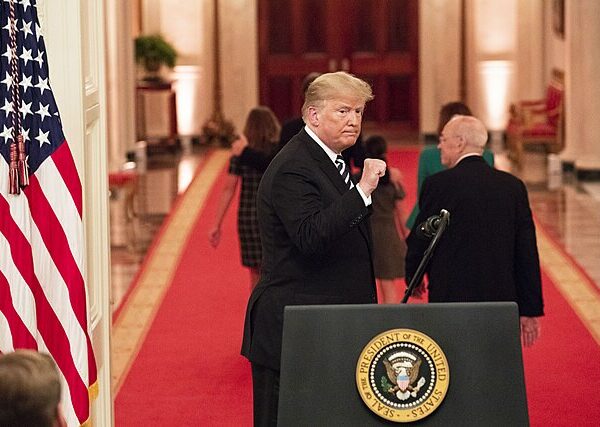
On Thursday, President Donald Trump extended by 10 days an ultimatum for Iran to reopen the strait, warning that failure to comply could trigger strikes on civilian energy infrastructure.

Troop Deployments Aimed at Preserving Flexibility

The United States is deploying additional forces to the region, including thousands of Marines aboard an amphibious assault ship and additional airborne troops. Rubio said the buildup is designed to preserve strategic flexibility rather than signal a shift toward ground combat.

“These deployments are intended to give the president ‘maximum optionality and maximum opportunity to adjust the contingencies, should they emerge,’” Rubio said, reiterating that U.S. objectives can be met through air and naval operations.

He also underscored the importance of a coordinated response if Iran attempts to impose tolls on vessels transiting the Strait of Hormuz. “Not only is this illegal, it’s unacceptable, it’s dangerous to the world, and it’s important that the world have a plan to confront it,” Rubio said, noting support among allied nations and openness to a coalition approach led by affected countries.

Trump Signals Progress, Presses Allies

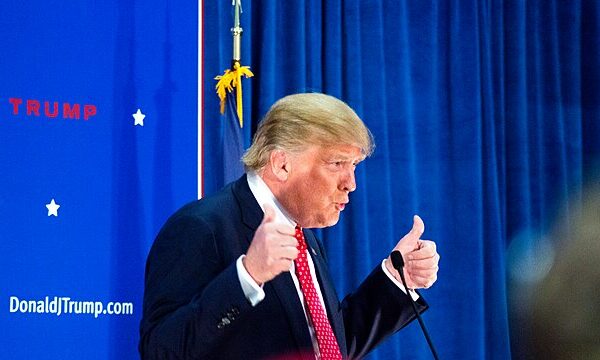
At an investment summit in Miami backed by Saudi Arabia’s sovereign wealth fund, Trump said U.S. forces are making significant progress in the four-week campaign.

“Tonight, we’re closer than ever to the rise of the Middle East that is finally free at last from Iranian terror and aggression and nuclear blackmail. Under my leadership, America is ending the threat posed by this radical regime,” he said.

In a lighter moment, Trump referred to the Strait of Hormuz as the “Strait of Trump” before correcting himself. “They have to open up the Strait of Trump. I mean, Hormuz,” he said. “Excuse me … I’m so sorry — such a terrible mistake.” He added, “The fake news will say he accidentally said (Strait of Trump). No, there’s no accidents with me. Not too many.”

Trump also criticized NATO allies for not contributing forces to secure the strait, suggesting their response could shape future U.S. commitments. “They just weren’t there,” he said. “We spend hundreds of billions of dollars a year on NATO, hundreds, protecting them, and we would have always been there for them, but now, based on their actions, I guess we don’t have to be, do we? Why would we be there for them if they’re not there for us? They weren’t there for us.”

Shipping traffic through the Strait of Hormuz has slowed sharply during the conflict, contributing to rising global energy prices. Several countries, including Britain, France, Germany, and Japan, have indicated willingness to support efforts to restore navigation, though firm commitments remain limited.

Push for Saudi-Israel Normalization

Trump used the Miami event to press Saudi Arabia to join the Abraham Accords, the U.S.-brokered agreements establishing diplomatic ties between Israel and several Arab states.

Addressing Yasir Al-Rumayyan, head of Saudi Arabia’s Public Investment Fund, Trump said, “I hope you’re going to be getting into the Abraham Accords finally. Will you please go back and explain? It’s time now.”

Recalling past discussions with Crown Prince Mohammed bin Salman, Trump added: “Mohammed would say, ‘Oh yes (we will join). As soon as we do this. As soon as we do that.’ I said, ‘Mohammed, we did that.’ He’d say, ‘Oh yes, but we have a couple of other things.’ It’s now time. We’ve now taken them out, and they are out bigly. We’ve got to get into the Abraham Accords.”

He expressed confidence that recent military developments could reshape regional dynamics and accelerate normalization efforts.

The conflict continues to carry significant implications for global energy markets and regional stability, as U.S. officials balance sustained military pressure with ongoing diplomatic outreach.

[Read More: Russia Talks Nuclear War…Again]

You may also like

More in:News

Comments are closed.