 By
By Dozens of prominent American journalists participated in trips to China sponsored by a foundation whose representatives described the programs as a way to generate “favorable coverage” of Beijing.
An investigation by Natalie Winters identified current and former journalists from The New York Times, CNN, MSNBC, The Washington Post, NPR, the Associated Press, Vox, The Atlantic and other major outlets as participants in programs connected to the China-United States Exchange Foundation, or CUSEF. Her reporting forms the basis of this article, while federal filings and congressional records independently document the group’s efforts to cultivate American journalists and promote favorable coverage of Beijing.
A 2011 Foreign Agents Registration Act filing from BLJ Worldwide, the American public-relations firm representing CUSEF, laid out the strategy plainly.
“In order to develop favorable coverage in key national media, BLJ will continue to organize and staff ‘familiarization trips’ to China,” the filing stated. “This includes recruiting top journalists to travel to China, selected for effectiveness and opportunities for favorable coverage.”
The same document said the firm would identify journalists and other influential figures who could “effectively disseminate positive messages to the media, key influencers and opinion leaders, and the general public.”
Winters reconstructed the participant lists using the federal filings, CUSEF newsletters, annual reports and accounts written by journalists who joined the trips.
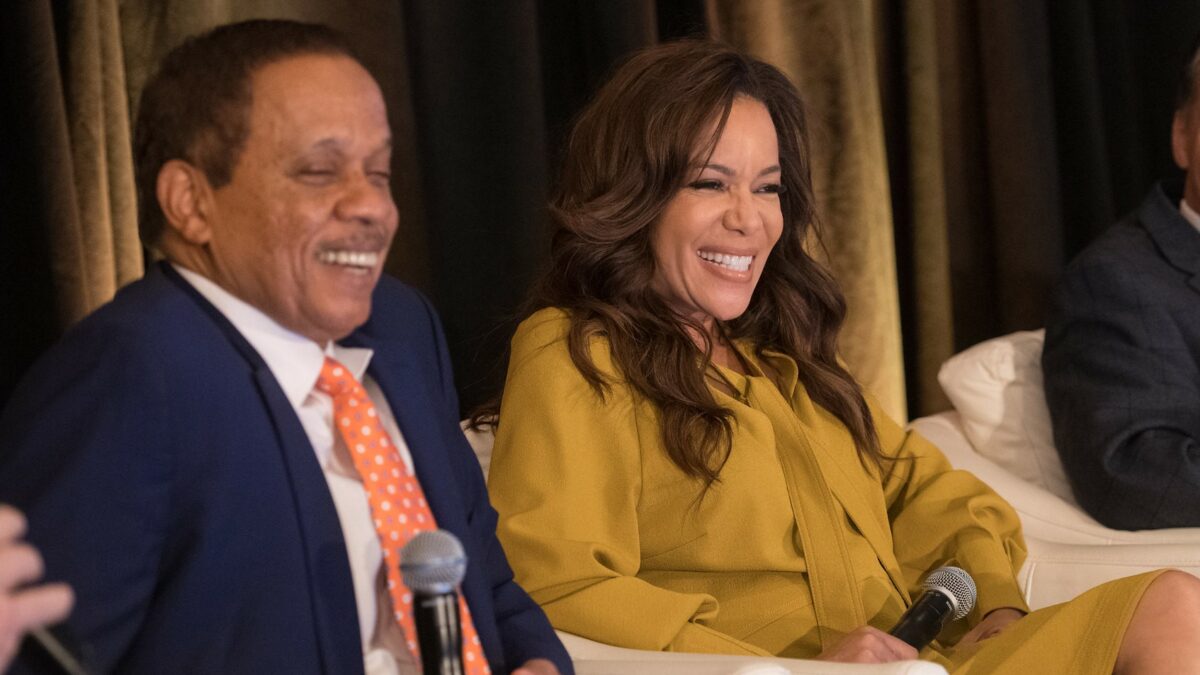
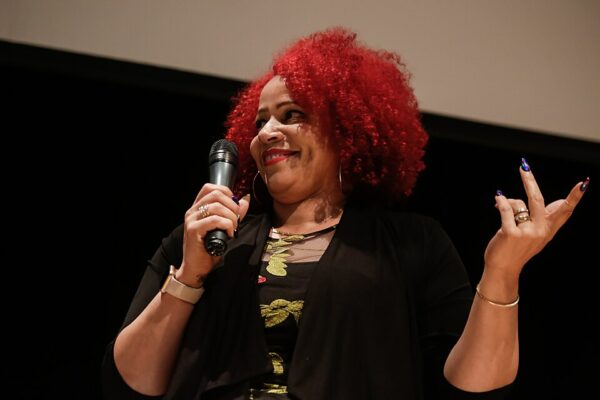
Those identified include Ezra Klein and Matthew Yglesias, the co-founders of Vox; CNN analyst Ronald Brownstein; New York Times reporter Bradford Plumer; Washington Post columnist Catherine Rampell; former Associated Press executive Marjorie Miller; MSNBC commentator Jonathan Alter; former NPR editors David Sweeney and Marilyn Geewax; and journalist David Rohde.
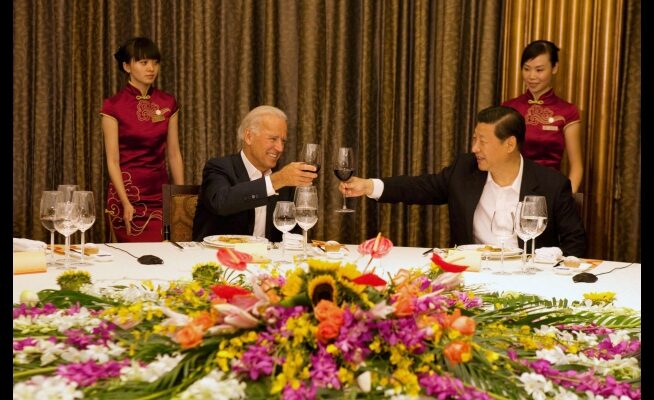
The filings and related records also describe private dinners, meetings with CUSEF officials and visits to Chinese government and military facilities.
There is no evidence that every journalist knew about the public-relations firm’s internal strategy or agreed to produce coverage at Beijing’s direction. The issue is that the organization arranging the access was privately evaluating reporters based on their usefulness in generating favorable coverage.
CUSEF describes itself as an “independent, non-profit and non-governmental foundation” created to encourage constructive relations between the United States and China. Its officials have denied that it operates on behalf of the Chinese government or its United Front system.
Congressional researchers have reached a different conclusion.
CUSEF was founded by Tung Chee-hwa, the former chief executive of Hong Kong and a former vice chairman of the Chinese People’s Political Consultative Conference. CUSEF’s own website acknowledges Tung’s CPPCC position.
The U.S.-China Economic and Security Review Commission has described the United Front as an effort to “co-opt and neutralize sources of potential opposition to the policies and authority” of the Chinese Communist Party. Its research identified CUSEF as part of a wider network seeking influence over American academic and policy debates.
A later commission report found that Beijing attempts to improve its global image by “encouraging positive coverage, manipulating local media environments, and silencing critical voices.”
The journalist programs were not CUSEF’s only Washington initiative. The organization has funded or partnered with influential institutions including Johns Hopkins University’s School of Advanced International Studies, the Brookings Institution, the Atlantic Council, the Center for American Progress, the Carter Center and the Carnegie Endowment for International Peace.
The University of Texas at Austin rejected CUSEF funding in 2018 after concerns were raised about the foundation’s Communist Party connections.
The Guardian had already documented how CUSEF’s American representatives organized journalist tours and cultivated “third-party supporters” capable of writing opinion pieces, endorsing the foundation and speaking with the media. Axios later described CUSEF as an organization that had long sought to shape the American political environment in China’s favor.
The Fauci Parallel
The disclosures arrive as the media’s relationship with another carefully cultivated authority figure is receiving renewed scrutiny.
Newly released diary entries show Dr. Anthony Fauci closely tracking his press attention during the COVID-19 pandemic.
Most of the mainstream press has ignored the revelations, potentially out of embarrassment.
If you're wondering why Fauci was always so eager to go on TV, this supercut might be a helpful refresher pic.twitter.com/pvjAc86rNn
— Tom Elliott (@tomselliott) July 26, 2026
“Press still hot and heavy about me,” Fauci wrote on April 7, 2020. “Multiple stories per day directly or indirectly involving me.”
The diaries also record the early scientific uncertainty surrounding the origins of COVID-19—uncertainty that received far less attention once Fauci and other officials publicly dismissed the laboratory-leak theory.
ABC, CBS, NBC, CNN and MS NOW had not covered the diary release on air through Monday morning, according to a review of television transcripts reported by Fox News.
Thank you @JoeSquawk. pic.twitter.com/NpTdEICYnm
— Senator Rand Paul (@SenRandPaul) July 27, 2026
The CUSEF trips and the press’s treatment of Fauci are not the same operation. But both expose the same vulnerability: Reporters who receive privileged access can become reluctant to question the institutions and personalities granting it.
The coverage reaches millions of Americans, but the relationships behind it usually remain in the fine print.
[Read More: Democrats Mortgage Their Headquarters In Desperate Money Grab]