 By
The Southern Poverty Law Center has joined the American Civil Liberties Union and more than 60 advocacy groups in asking the United Nations to investigate alleged human rights abuses in the United States. The SPLC signed the appeal with a federal fraud case of its own to answer. Prosecutors say Americans who gave the organization money to fight white supremacy ended up paying some of the men who helped keep it in business.
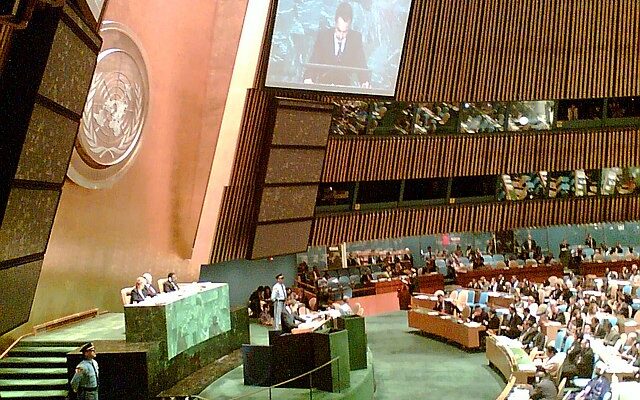
In three letters dated September 28, highlighted by White House correspondent Natalie Winters, the groups objected to President Donald Trump’s decision to skip the UN’s periodic review of America’s human rights record. They asked UN human rights chief Volker Türk to recommend appointing a special investigator or commission to collect testimony and document alleged abuses for future proceedings. They also want Türk to visit the United States, issue his own report and brief the Human Rights Council on what he finds.
The coalition already has a clear idea of what ought to go in that report. Its letter to foreign governments describes Trump’s immigration enforcement as a “mass and illegal detention and deportation scheme” and accuses the United States of “the dismantling of voting rights.” The complaints extend to abortion policy, nutrition assistance, arms transfers to Israel and the policing of homelessness. Muslim Advocates, the Guttmacher Institute and the international committee of the National Lawyers Guild also signed.
The SPLC’s signature deserves a closer look. In April, a federal grand jury in Alabama indicted the organization over payments to extremist figures. One recipient, a former chairman of the neo-Nazi National Alliance, appeared in the SPLC’s public “Extremist Files” while the organization secretly paid him, prosecutors allege. Between 2016 and 2023, he allegedly collected more than $140,000. A donor could read the SPLC’s warning about the man, send a check to help fight the danger he represented and have no idea he was on the payroll.
The allegations go beyond the price of a tip. Prosecutors say paid sources recruited new members and bought materials for cross burnings, Klan robes and hoods. The SPLC has pleaded not guilty. It says the payments bought intelligence that it shared with law enforcement, and that its sources helped prevent violence. The dispute turns on what the money paid for and what the SPLC told the people who supplied it.
The SPLC has found a government audience for its work before. In 2023, the FBI’s Richmond field office drew on SPLC material for a memo about extremism and traditionalist Catholics. Now the organization wants foreign governments to give its accusations against the United States in general a hearing. Back in Alabama, its donors have a more modest question. When they wrote a check to fight the Klan, how much of it reached the men in the robes?
[READ MORE: Rubio Overtakes Vance In Polling]