









Maryland Gov. Wes Moore has reopened one of the Democratic Party’s most politically dangerous debates: how far the party is willing to go on gender transitions for minors, even after the issue helped define Kamala Harris as out of touch in the closing weeks of the 2024 presidential campaign.
Moore, a rising Democratic figure often mentioned as a potential 2028 contender, appeared on the PBD Podcast with Patrick Bet-David this week for a wide-ranging interview that touched on crime, leadership, national politics, and transgender issues involving children. The episode, titled “Gov. Wes Moore: Trans Kids, Newsom’s Failures & 2028 Dark Horse,” quickly drew attention after Bet-David pressed Moore with a personal hypothetical about what he would do if his own son wanted to transition.
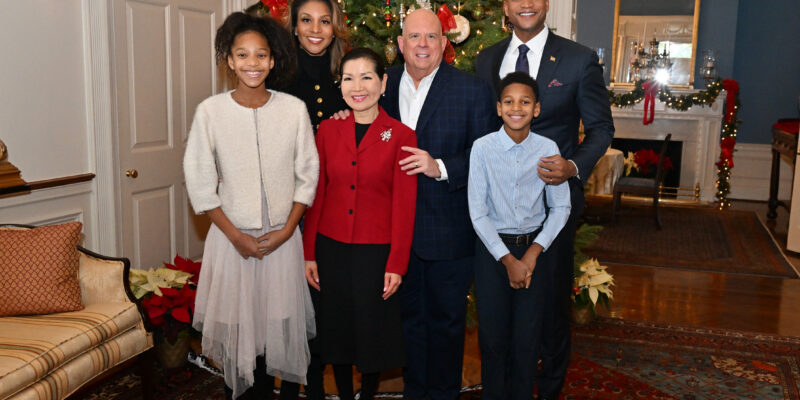
Moore, who has a 12-year-old son and a 14-year-old daughter, answered by emphasizing parental involvement and unconditional support, but ultimately said he’d allow them to transition as children.
Maryland Governor Wes Moore says he would let his son go through gender mutilation as a minor if he wanted to.
DAVID: “Would you advise him to wait until he’s 18?”
MOORE: “I’m not going to advise him on something that he feels…” pic.twitter.com/t6slNP8XkB— RNC Research (@RNCResearch) May 8, 2026
The support for children changing their gender has become one of the central cultural fault lines in American politics. It was also the premise behind one of the most memorable Republican ads of the 2024 campaign: “Kamala is for they/them, President Trump is for you.” The ad attacked Harris over her past support for taxpayer-funded gender-transition procedures for prisoners and migrants in federal custody, using the issue to frame her as captive to progressive cultural priorities rather than focused on ordinary voters.
<
Even some Democrats later acknowledged the damage. California Gov. Gavin Newsom, speaking with Charlie Kirk in 2025, called the ad “devastating” and said Harris’s failure to respond made it even worse. Newsom also broke with much of his party by saying it was “deeply unfair” for transgender women and girls to compete in women’s sports, a sign that at least some Democratic figures understood the issue had become a political liability.
But Moore’s comments suggest the party’s instinct remains unchanged: they want children to be able to take hormone and have surgeries despite recent studies showing it doesn’t help.
Rather than abandon the issue, Democrats continue to search for a way to defend the language of affirmation while softening the most politically toxic implications. Moore tried to occupy that space by stressing love, listening, and parental involvement, while also carving out limits on sports and medical interventions. The problem is that the public debate is no longer only about tone. It is about where authority belongs: with parents, schools, doctors, activists, or the state.
That is why Moore’s answer drew such immediate scrutiny. He is not an obscure local official. He is a Democratic governor with national ambitions, a military background, and a reputation for speaking in moderate terms. If he is unable or unwilling to give a direct answer that separates adult identity questions from life-altering decisions by minors, Republicans will almost certainly treat that hesitation as evidence that the Democratic Party remains captured by its far left, progressive flank.
[Read More: Health Officials Monitoring Possible Pandemic]