 By
By Sometimes you have to face the music. Veteran Democratic strategist James Carville is urging his party to surrender on voter ID, arguing that Democrats are defending an unpopular position that provides Republicans with an easy political weapon.
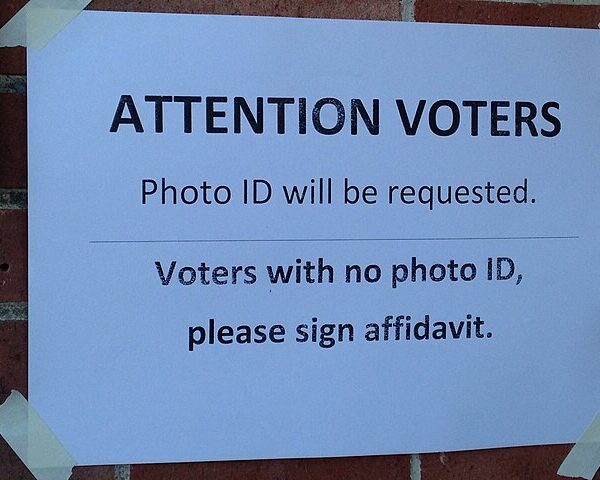
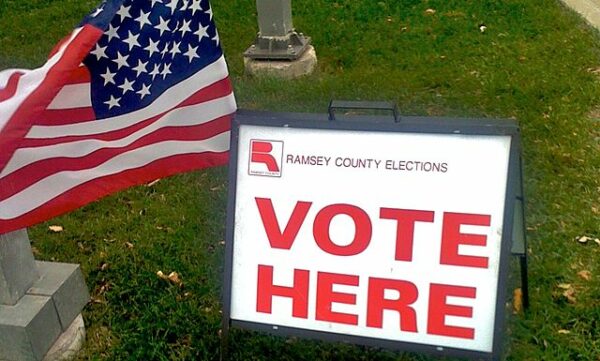
During a recent episode of the Politics War Room podcast with co-host Al Hunt, Carville maintained that voter fraud remains an “infinitesimal” or “minuscule” problem. But he said the facts surrounding fraud no longer change the political reality: Americans overwhelmingly believe voters should be required to identify themselves before casting a ballot.
💥NEW: James Carville calls on Dems to *PASS* national voter ID law💥
"We are NOT gonna win the war against some kind of a ID … EVERY poll shows 75% or better say we should have some kind of a ID to vote … just quit fighting and go along with it!" pic.twitter.com/rrjkJlHKiU
— Jason Cohen 🇺🇸 (@JasonJournoDC) July 23, 2026
“We are not gonna win the war against some kind of a ID,” Carville said. “EVERY poll shows 75% or better say we should have some kind of a ID to vote … just quit fighting and go along with it!”
The polling largely supports Carville’s assessment. A 2024 Gallup survey found that 84% of Americans favored requiring voters to provide photo identification at polling places. A separate Pew Research Center survey conducted in August 2025 also found broad bipartisan support for voter ID, even as Americans remained sharply divided over other election policies, including mail-in voting.
Carville suggested Democrats could negotiate over which documents qualify, including allowing voters to use a gas or utility bill, and then “move to the next thing.”
His proposal would not necessarily amount to an endorsement of President Donald Trump’s SAVE America Act. That legislation would impose a more extensive federal election-security system by requiring documentary proof of citizenship when registering to vote and photo identification when casting a ballot.
The House passed the legislation on February 11, but it stalled in the Senate in April amid Democratic opposition and concerns about whether some eligible voters could easily produce the required citizenship documents. The Trump administration has continued pressing senators to approve the measure.
Carville’s argument was narrower and more political: Democrats should accept some universal identification requirement rather than continue losing an issue on which public opinion has long favored Republicans.
Hunt pushed back, noting that most states already require or request identification at polling places and criticizing the broader restrictions included in Republican proposals. According to the National Conference of State Legislatures, 23 states had photo ID laws in effect as of April 2025, while another 13 accepted certain non-photo identification.
Carville nevertheless argued that continued resistance allows Republicans to portray Democrats as hostile to basic election safeguards—even when the party insists that widespread voter fraud and noncitizen voting are exceedingly rare despite there being growing evidence to the contrary.
The remarks reflect a familiar Carville complaint about the modern Democratic Party: It is too willing to defend politically toxic positions rather than concede a broadly popular policy and redirect its attention elsewhere.
For Carville, voter ID is no longer primarily a debate about whether fraud is widespread. It is a political fight Democrats have already lost.
[Read More: Mike Lindell Betrays Trump’s Biggest Policy]