 By
By A Chinese postdoctoral researcher at Indiana University Bloomington has been sentenced after admitting to smuggling biological material into the United States, a case federal officials say underscores broader concerns about the import of regulated research materials at American universities.
Youhuang Xiang, 32, was sentenced earlier this month in U.S. District Court for the Southern District of Indiana to time served—just over four months in custody—a $500 fine, one year of supervised release, and removal from the United States following his guilty plea to smuggling biologic materials.
Xiang, who holds a doctorate from the Chinese Academy of Sciences, entered the United States in June 2023 on a J-1 visa to conduct research in Indiana University’s Department of Biology. Prosecutors said he received a package from China in March 2024 containing E. coli plasmid DNA that had been deliberately mislabeled on customs forms as women’s underwear in order to evade import restrictions.
Very disturbing. Another Chinese student has been caught sneaking dangerous pathogens into the US. This time at Indiana University.
This follows multiple cases at the University of Michigan and dangerous labs in California and Nevada. https://t.co/JnaTfvI2ls
— Michael Ron Bowling (@mrbcyber) April 14, 2026
According to court filings, Xiang initially denied knowledge of the shipment during a Nov. 23, 2025, interview with U.S. Customs and Border Protection officers at Chicago O’Hare International Airport after returning from a trip to the United Kingdom. He later admitted that the mislabeling had been intentional. His visa was terminated, and he was arrested by federal agents.
Xiang had originally faced additional charges, including conspiracy and making false statements—offenses that can carry significantly longer prison terms—but those counts were dismissed under a plea agreement that included a judicial order of removal.
Federal prosecutors said evidence presented during the case indicated Xiang was a member of the Chinese Communist Party and had failed to disclose that affiliation to immigration authorities. Officials also described the conduct as an exploitation of federally funded research, noting that the materials were connected to a U.S. Department of Agriculture grant.
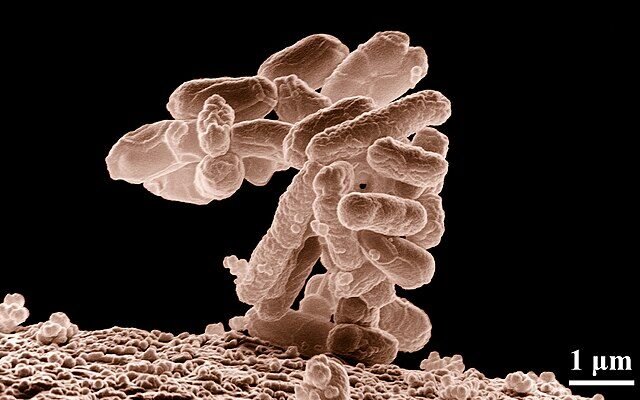
While E. coli DNA is widely used in laboratory settings, it is subject to federal import regulations due to potential biosafety risks if improperly handled.
The Indiana case comes amid a series of similar prosecutions involving Chinese nationals tied to U.S. research institutions, including multiple incidents at the University of Michigan that have drawn scrutiny from federal authorities and lawmakers.
In one case, federal prosecutors charged Yunqing Jian, a 33-year-old postdoctoral researcher, and Zunyong Liu, 34, with conspiracy, smuggling, false statements, and visa fraud. Authorities alleged Liu attempted to bring Fusarium graminearum—a fungus known to cause “head blight” in major crops—into the United States through Detroit Metropolitan Airport, concealed in his luggage. The fungus is a devastating plant disease that affects wheat, rice, oats, and barley.
Prosecutors said the material was intended for research at Jian’s university laboratory without proper import authorization. Jian later pleaded guilty to smuggling and making false statements and was sentenced to time served, approximately five months, before being deported.
In a separate matter, another Chinese national associated with a University of Michigan laboratory, Chengxuan Han, was charged with sending undeclared biological materials from China to the United States, allegedly mislabeling shipments to conceal their contents.
The cases prompted congressional inquiries into oversight practices at the University of Michigan, including questions about laboratory controls, visa compliance, and potential foreign influence. University officials have stated that the institution does not receive Chinese government funding for the research at issue and have condemned actions that violate U.S. law or threaten national security.
Federal agencies, including the Department of Justice and the FBI, have warned that the undeclared import of biological materials—ranging from genetic samples to plant pathogens—can pose risks to public health, agriculture, and food systems if regulatory safeguards are bypassed.
The incidents also come amid heightened tensions between the United States and China over technology transfer, intellectual property, and research security. Prosecutors in several cases have pointed to patterns involving undisclosed affiliations, misstatements on visa or customs forms, and the use of academic positions to facilitate restricted imports.
Authorities say compliance with federal permitting requirements—often involving agencies such as the U.S. Department of Agriculture or the Centers for Disease Control and Prevention—is mandatory for importing biological agents into the United States.
Xiang has been ordered removed from the country, joining other researchers in similar cases who were deported following guilty pleas, as federal officials continue to press universities to strengthen oversight of sensitive research materials.
[Read More: Pop Superstar Attacked By Woke Mob]